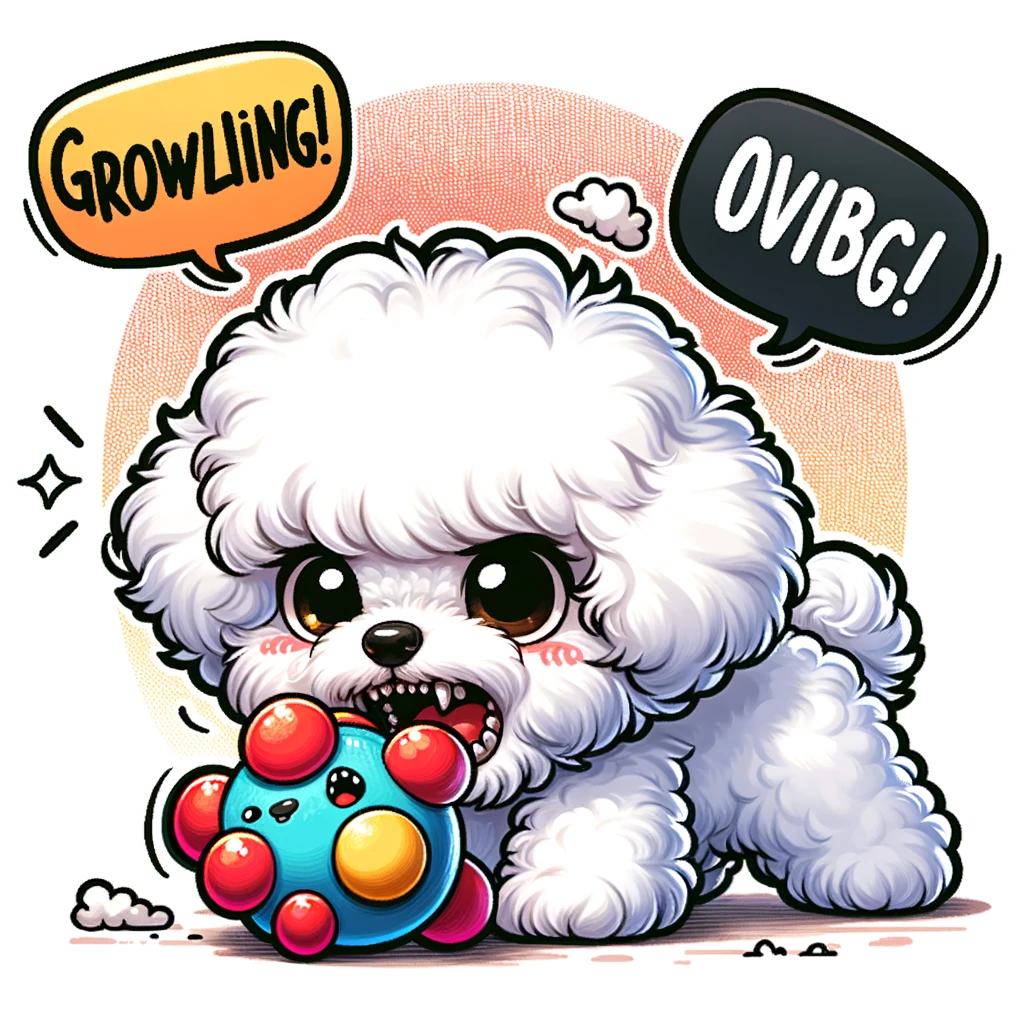
Preventing resource guarding does not mean proving that you can remove anything from a dog’s mouth. Repeatedly taking food or toys can make your approach predict loss. A safer goal is comfortable sharing of space and voluntary release of safe objects.
Protect ordinary routines
Let the dog eat undisturbed, keep children away from bowls and chews, and feed household dogs separately. Provide quiet resting places. Store unsafe objects out of reach so training does not repeatedly become an emergency removal.
Teach a low-pressure exchange
- Choose a safe toy the dog likes but does not guard.
- Offer something preferable at a comfortable distance.
- Mark the voluntary release and retrieve the toy only when the dog is safely away.
- Return the safe toy on some repetitions.
Add a release cue once the pattern is easy. Do not pull on the item while repeating the word or use a trade as an excuse to reach closer to a tense dog.
Respond to warning signs
Freezing, hovering over an object, turning away with it or growling means the situation needs more space. Stop the exercise and avoid punishing the warning. A dog who already guards food or has bitten needs an individualized plan, not a generic prevention game.
If a dangerous object is involved, contact a veterinarian or behavior professional for situation-specific guidance rather than risking your hands. Sudden guarding during movement or handling also warrants a pain check. The measure of success is relaxed behavior and safer exchanges, not how much pressure the dog will tolerate.
Related guides
- Dog Aggression Warning Signs: When to Stop an Interaction
- Puppy Training Basics: Sit, Down, Stay and Come
English edition rewritten on October 9, 2026.