Separation Distress in Korean Apartments: A Gradual Support Plan
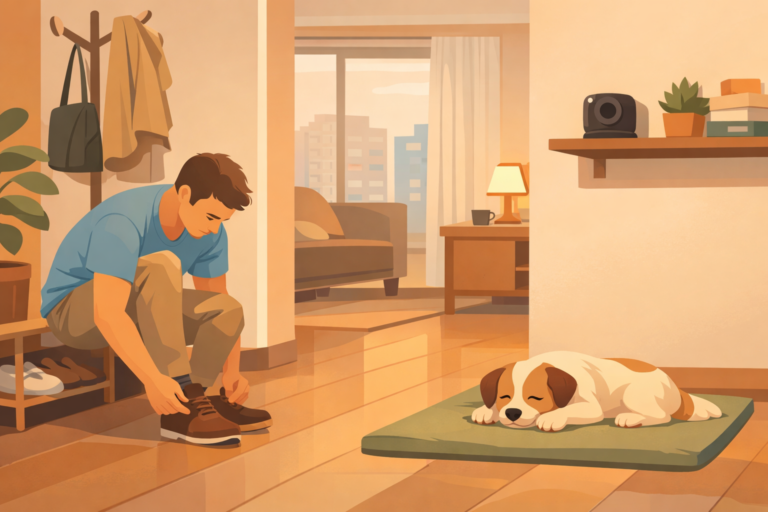
Use a camera to identify the dog’s comfortable absence duration rather than starting with an arbitrary number of minutes.
Use a camera to identify the dog’s comfortable absence duration rather than starting with an arbitrary number of minutes.
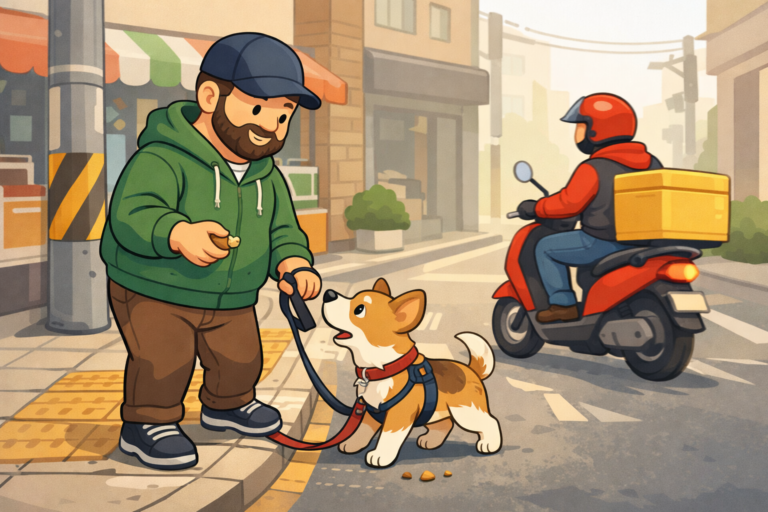
Choose routes with exits and cross or turn away before a close encounter when safe.
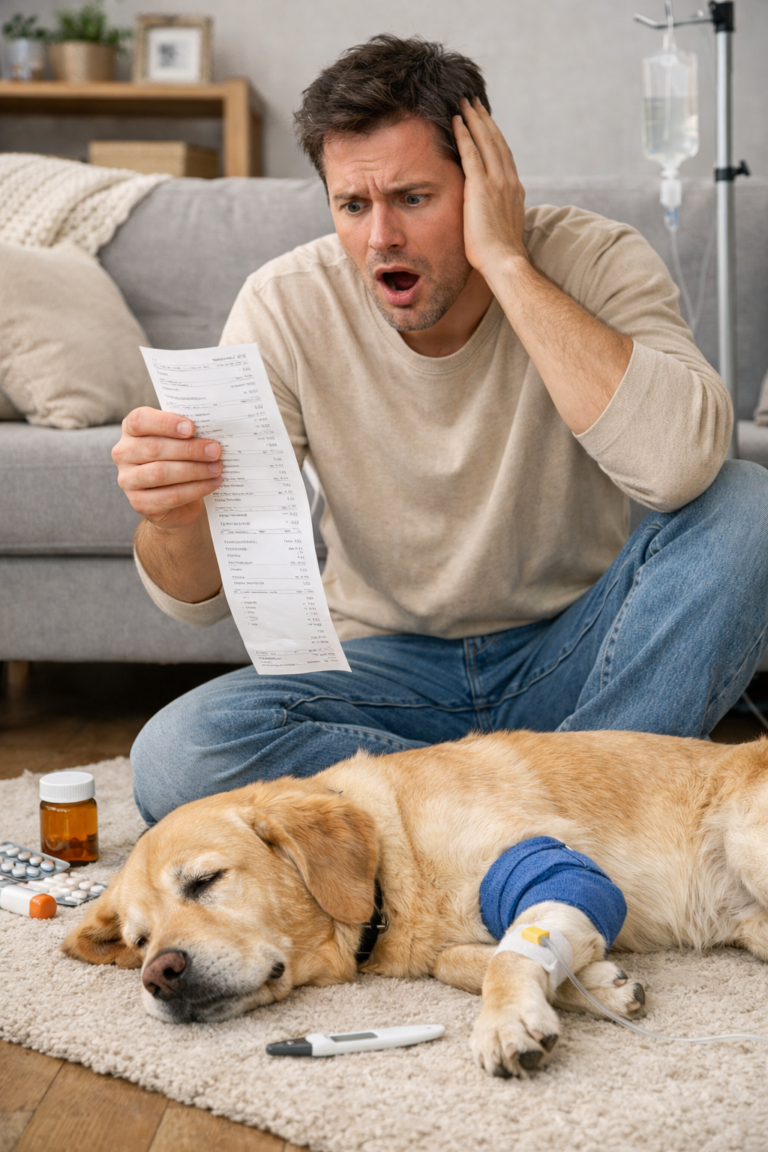
Compare coverage, exclusions and reimbursement rules with your emergency savings plan. This guide does not recommend a specific insurer.
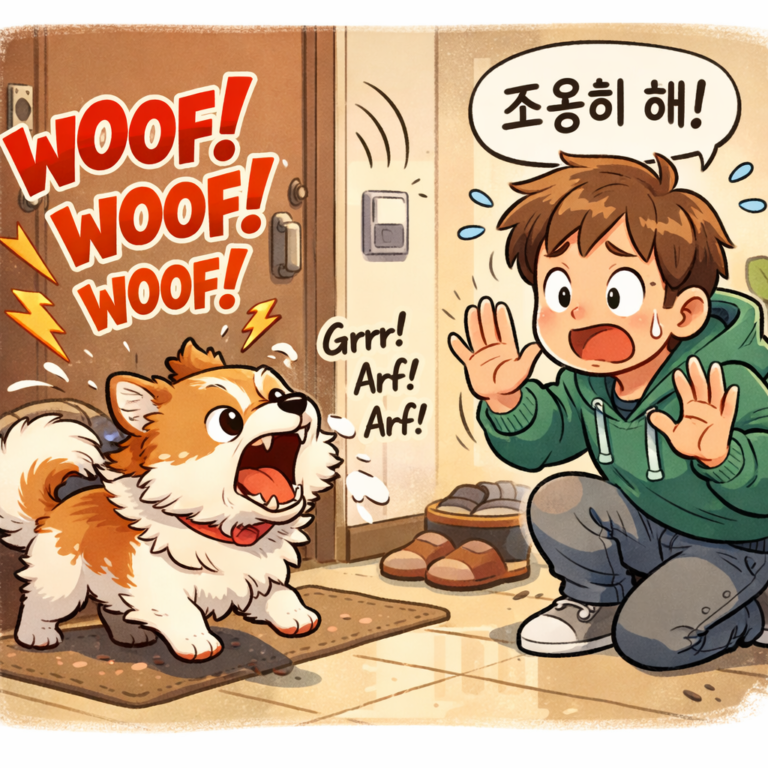
Reduce repeated rehearsal by moving the resting area away from the door and masking unavoidable noise at a comfortable level.
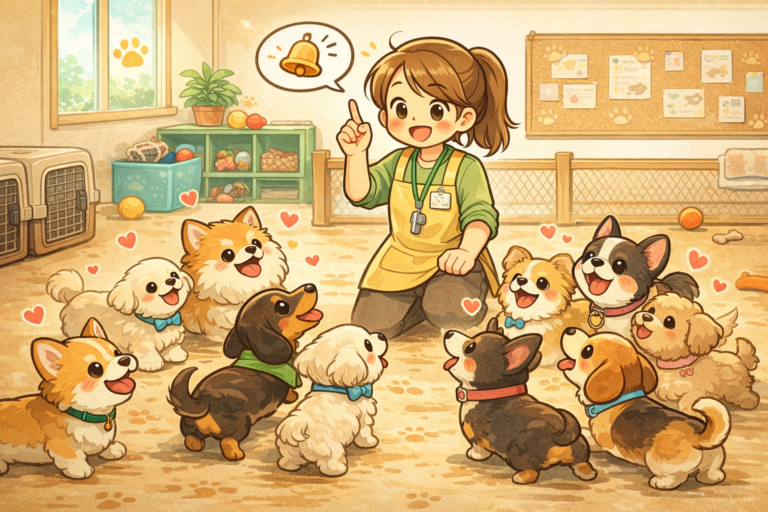
Look at comfort, recovery and supervision. Group daycare is one care option, not a requirement for every dog.
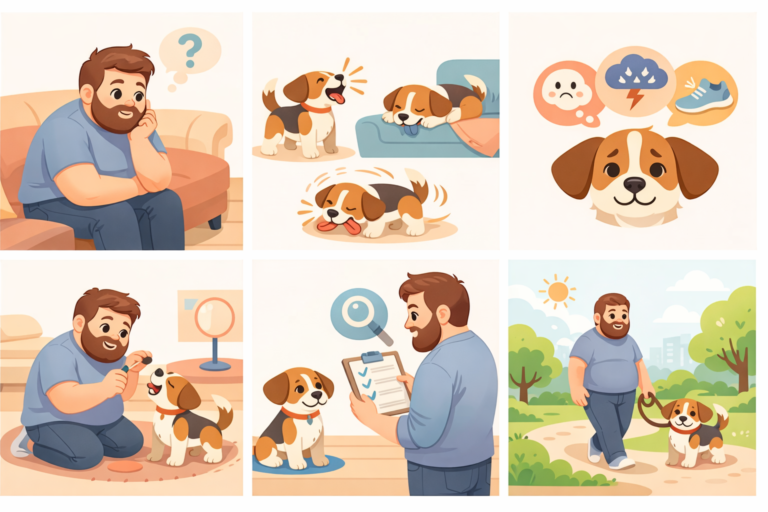
Read stress signals in context, reduce avoidable pressure and build a predictable routine. Persistent or sudden changes may need professional help.
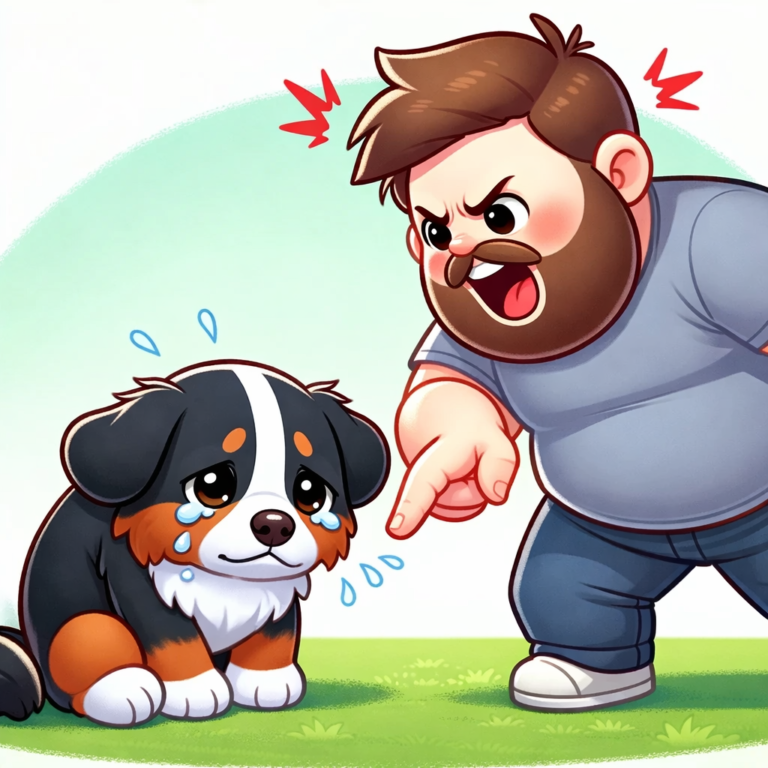
Use context, body language and consequences to understand everyday behavior without guessing at a dog’s intentions.
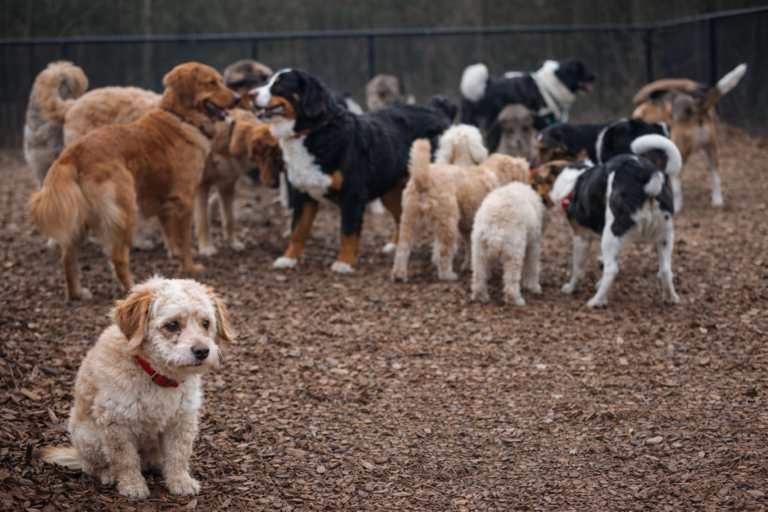
Socialization is learning to feel safe, not meeting everyone. Plan gentle exposure, respect your puppy’s signals and discuss disease risk with your vet.
Manage access to dangerous objects and teach voluntary exchanges before an emergency happens.
Prompt cleanup and supervision are the first practical steps.