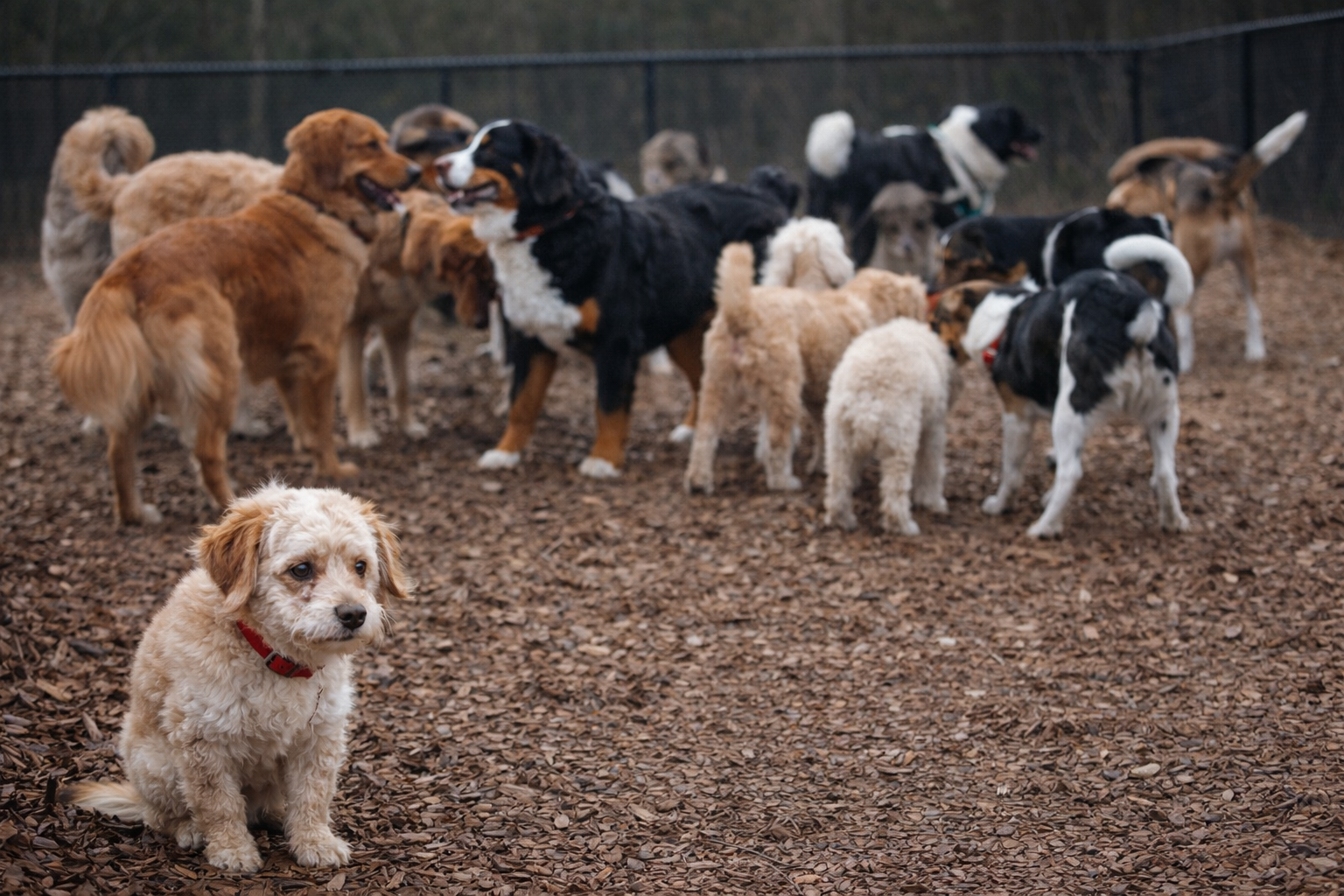
Socialization helps a puppy feel comfortable with the people, animals, sounds and environments they will encounter. It is not a requirement to greet every person or play with every dog. Watching calmly from a safe distance can be a valuable experience.
Why the early months matter
The first months of life are an important period for learning about the world. That makes gentle, positive experiences valuable, but it does not mean an older puppy or adult dog cannot improve. Later learning may need more time and smaller steps. A dog’s background is useful context, not a guarantee of future behavior.
Balance learning with infection prevention
Ask your veterinarian which activities are appropriate for your puppy’s vaccination status, health and local disease risk. Carefully managed exposure can include watching the street from a clean, secure carrier, meeting a familiar healthy dog in a suitable setting, or attending a well-run puppy class with health requirements. Avoid treating a crowded dog park as a necessary first lesson.
Use choice, distance and brief sessions
- Choose one mild new experience, such as observing a quiet visitor from across the room.
- Allow your puppy to notice it without being pulled toward it.
- Pair the experience with food, play or another activity the puppy enjoys.
- Let the puppy retreat and finish before they become tired or overwhelmed.
- Repeat at a similar difficulty before making one small change.
Do not use food to lure a frightened puppy into contact they cannot comfortably leave. Hiding, freezing, frantic escape attempts or escalating barking mean the situation needs to become easier.
Include more than people and dogs
Practice gentle handling, comfortable harness wearing, everyday household sounds and short periods of relaxed independent activity. Introduce different safe surfaces and moving objects at a distance. Keep handling brief and pause to see whether the puppy wants to continue. Restraint and forced greetings are not shortcuts to confidence.
What counts as progress?
A successful session may simply mean the puppy watches a bicycle and then returns to sniffing. Aim for comfort and recovery, not a checklist of a hundred encounters. If fear is persistent or worsening, ask for qualified help early.
Further guidance: AVSAB position statements on puppy socialization and humane training.
English edition reviewed and rewritten on October 9, 2026.