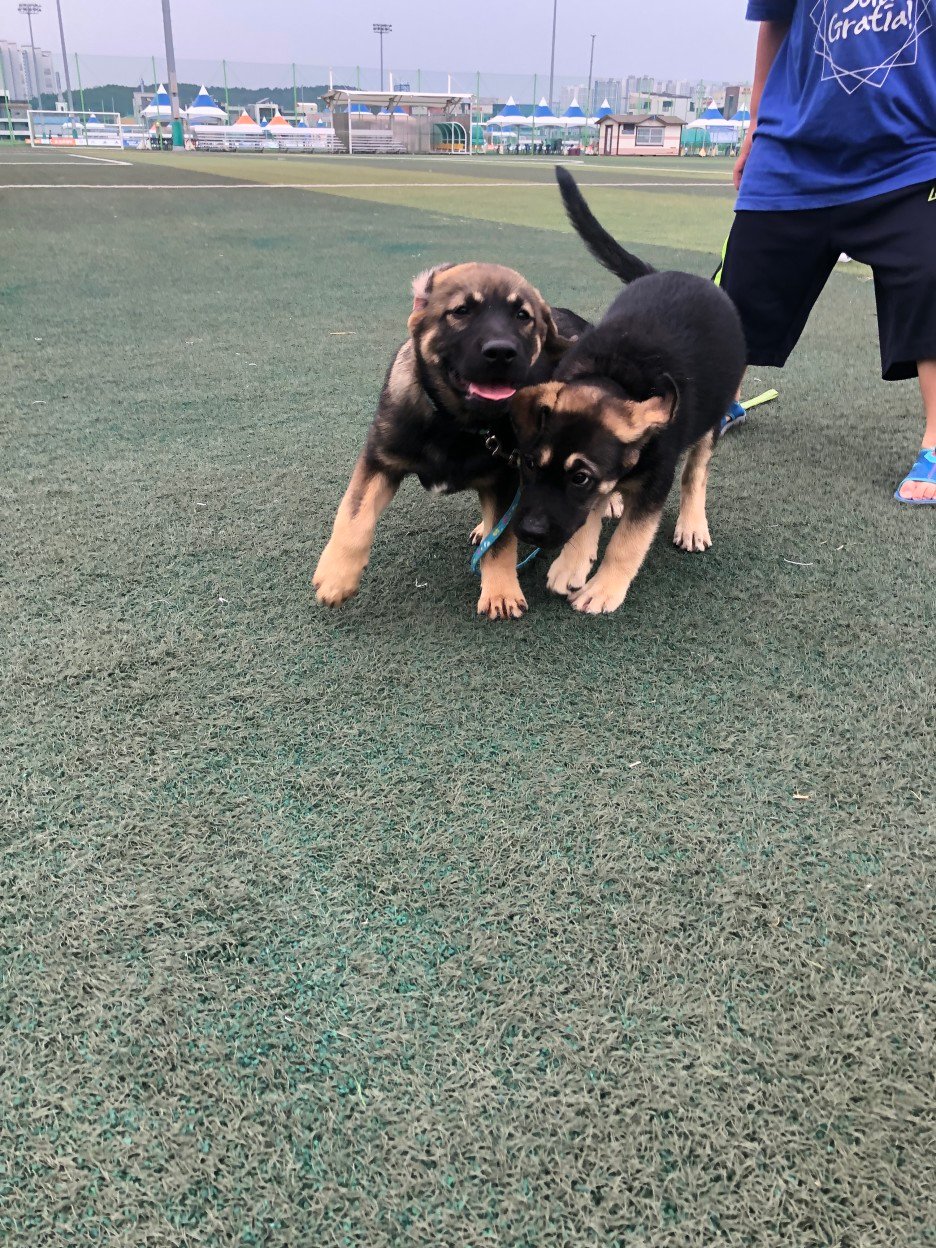
Moving to a new home changes a puppy’s familiar people, smells and routines at once. The first week is a chance to build security. You do not need to teach every cue immediately or introduce the puppy to everyone you know.
Prepare a small, safe home base
Provide a comfortable bed, accessible water, suitable chew toys and a clear toilet plan. Remove cables, medicines and objects that could be swallowed. Use safe gates or a pen when needed, while allowing appropriate space, social contact and movement. A crate should be introduced positively, not used to force a distressed puppy to remain silent.
Keep the first day quiet
Let the puppy explore at their own pace. Sit nearby and allow approaches rather than passing the puppy between people. Offer food consistent with the existing diet initially unless your veterinarian advises otherwise, and arrange a veterinary visit to discuss health, vaccination and parasite prevention.
Build a predictable rhythm
- Offer toilet opportunities after waking, meals and play.
- Alternate brief activity with undisturbed rest.
- Use calm, consistent responses across household members.
- Introduce new rooms and experiences gradually.
- Adjust the plan when the puppy needs reassurance, rest or a toilet break.
Teach the name as a pleasant signal
Say the puppy’s name once in a quiet moment. When they look toward you, mark the response with a short word and reward it. Try a few easy repetitions, then stop. Avoid repeatedly calling the name while the puppy is distracted or pairing it mainly with scolding.
Make handling and family contact comfortable
Start with a brief touch in an area the puppy accepts, reward and pause. Let the puppy move away. Children should sit calmly and interact only with active adult supervision. Leave the puppy alone while sleeping, eating or chewing, and provide a retreat children cannot enter.
Nighttime and short separations
Keep the sleeping arrangement close enough to notice genuine needs. Respond to distress and toilet signals rather than assuming every sound is manipulation. Practice tiny, comfortable separations during the day while the puppy is relaxed, returning before panic develops.
At the end of the week, look for easier settling, a clearer toilet pattern and more relaxed interaction. These are useful foundations. Persistent distress, poor appetite, illness or painful handling calls for veterinary advice, not stricter rules.
English edition reviewed and rewritten on October 9, 2026.