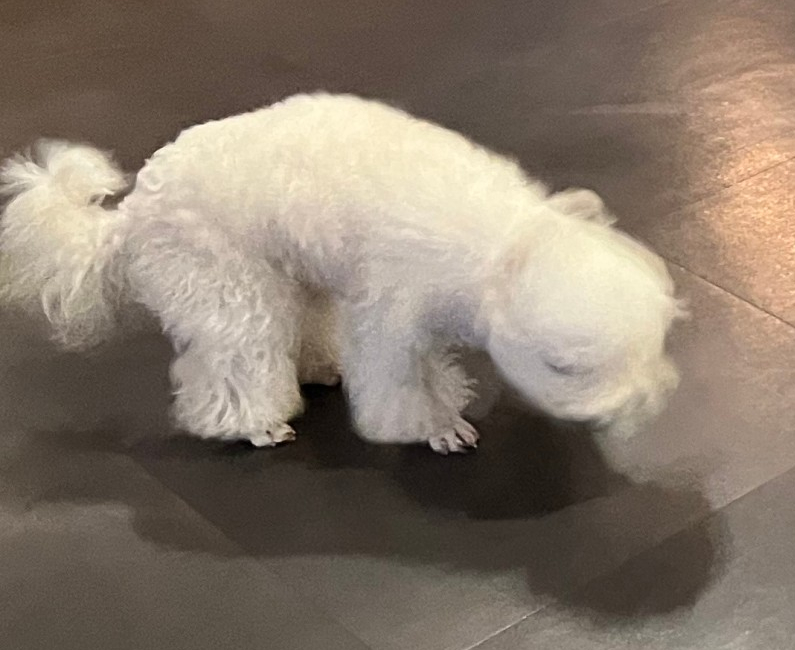
Toilet training is mainly about giving a puppy enough chances to succeed. Young puppies need frequent opportunities and will make mistakes while learning a new home. Punishment does not explain where to go and can make a puppy reluctant to toilet in front of you.
Set up an accessible toilet area
Choose a consistent outdoor spot or an indoor surface appropriate for your household. Make it easy to reach and separate it from the puppy’s bed and food. An indoor pen can help with supervision, but it must provide comfortable space and must not be used to make a puppy hold on beyond their ability.
If using pads, start with enough area that the puppy can get their whole body onto the target. Reduce the area gradually after repeated success, not according to a rigid deadline. Remove tempting rugs temporarily if their texture seems to confuse the puppy.
Offer opportunities around daily transitions
- After waking and after naps.
- After meals or drinking, according to your puppy’s pattern.
- After active play or excitement.
- Before settling for the night, with additional night breaks if needed.
Watch for sniffing, circling or suddenly leaving an activity. Guide the puppy quietly to the toilet area. Let them finish, then reward promptly at that location. If nothing happens, return to close supervision and try again soon rather than leaving the puppy unsupervised.
Respond to accidents calmly
Clean with a pet-safe enzymatic product following its instructions. Do not scold, rub the puppy’s nose in the mess or drag them back afterward. Review whether the interval was too long, the area was hard to reach or you missed an early signal. Restricting drinking water is not a toilet-training strategy.
Use a short log to adjust the plan
Record meals, naps, successful trips and accidents for several days. Expand freedom gradually as success becomes reliable. A week is a useful review period, not a guarantee of complete training. Puppies develop at different rates and household layouts differ.
When to ask the vet
Sudden regression, repeated straining, pain, blood, unusual thirst, diarrhea or accidents during sleep should not be dismissed as attention-seeking. Arrange veterinary advice. A dog unable to pass urine needs urgent attention.
English edition reviewed and rewritten on October 9, 2026.