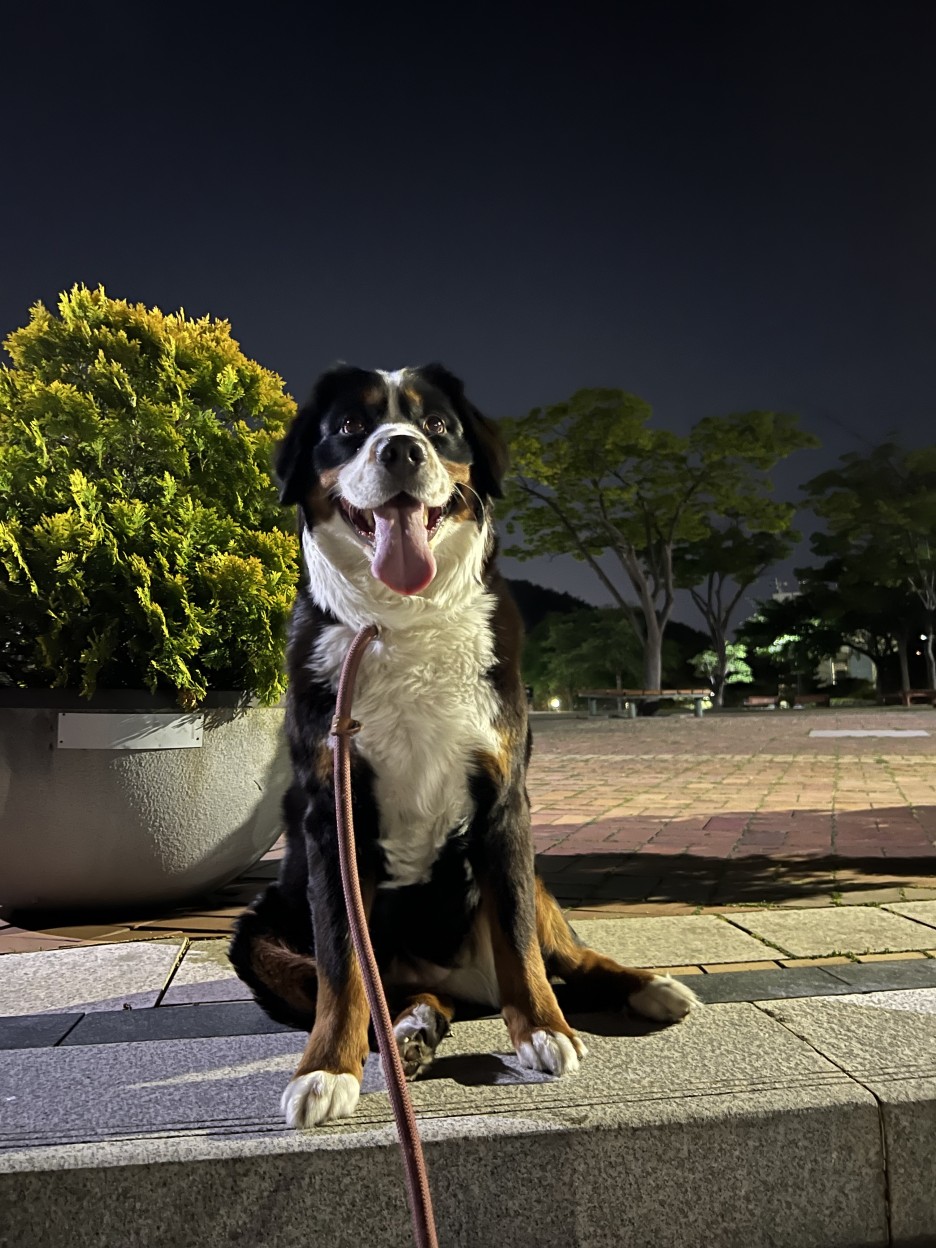
A puppy’s first walks are opportunities to learn about the world, not a test of how far they can go. A few comfortable minutes near home may teach more than a long route full of traffic, dogs and unfamiliar sounds.
Prepare before leaving home
Ask your veterinarian which outdoor settings are suitable for your puppy’s health, vaccination stage and local disease risk. Introduce a well-fitted harness and lead indoors through short, rewarded practice. Check that the puppy cannot back out of the equipment, and carry identification and cleanup supplies.
Start somewhere quiet
Choose a low-traffic time and a route with room to step away from surprises. Let the puppy sniff and observe. Reward voluntary check-ins and a few steps on a loose lead. Exploration is part of the walk; continuous formal heelwork is not necessary.
Keep the lead from becoming a constant tug-of-war. If the puppy pulls toward something, pause or change direction gently while you still have room, then reward moving with you. Avoid leash jerks or using the lead to pull the puppy into a sit.
Adjust to the puppy in front of you
- Very excited: make the route quieter, reduce the length and build in sniffing or rest.
- Busy sniffing: allow safe investigation, then practice an easy invitation to move with you.
- Worried or frozen: increase distance from the trigger and allow a retreat. Do not drag the puppy forward to make them get used to it.
When a hazard approaches, prioritize safety. Calmly carrying a puppy who tolerates it can be appropriate; comfort is not a training failure. If equipment or movement appears painful, stop and seek veterinary advice.
Keep greetings optional
Your puppy does not need to meet every dog or person. Watch unfamiliar dogs from a comfortable distance and choose controlled introductions with suitable partners. Ask people not to crowd, reach over or pick up the puppy without checking.
End before exhaustion
Return while the puppy can still move comfortably and recover well. Offer water, a toilet opportunity and undisturbed rest. Increase difficulty gradually based on health, confidence and recovery rather than following a universal distance or time formula. Persistent fear or escalating reactions deserve early professional support.
English edition reviewed and rewritten on October 9, 2026.