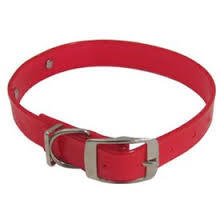
A collar fits around the neck, a harness fits around the body, and a lead connects the equipment to the handler. These are different tools, not competing training methods. The right combination should keep your dog secure while allowing comfortable movement.
Start with fit and condition
Check the manufacturer’s fitting instructions, buckles, stitching and attachment points. Your dog should not be able to slip out when backing away, and straps should not rub the armpits or restrict normal movement. Recheck fit as a puppy grows or a dog’s weight changes. If there is neck pain, breathing difficulty or another medical concern, ask your veterinarian about suitable equipment.
Flat collar or harness?
A well-fitted flat collar can carry identification and suit a dog who walks without sustained pulling. A properly fitted harness can reduce direct pressure on the neck and may be useful for a puppy, a dog who lunges or a dog who is still learning. Wearing a harness does not automatically cause disobedience.
Front-clip or dual-clip designs change how pulling feels to the handler, but they are not instant training solutions. Check how your dog moves in the equipment and avoid twisting the body through constant sideways tension. Choose comfort and secure fit over marketing claims.
Choose a lead you can manage
A fixed-length lead offers predictable control around traffic and other people. Keep enough slack for comfortable movement while preventing access to hazards. Follow local lead-length rules. Long lines need an appropriate open setting, a suitable harness and careful handling to prevent tangles or sudden stops. Retractable leads can be difficult to control in busy spaces.
Introduce equipment gradually
- Let the dog investigate the equipment without forcing it over the head.
- Reward brief, comfortable contact and gradually practice fastening it.
- Try a few steps indoors before a quiet outdoor session.
- Stop and reassess if the dog freezes, rubs repeatedly or cannot move normally.
Training still matters
Reward walking near you, checking in and moving with a loose lead. Make the environment easier before pulling escalates. Avoid leash jerks, choking, prong pressure or shock as a shortcut. For a dog whose strength or reactions create a safety risk, seek qualified reward-based help.
Method guidance: AVSAB’s humane dog training position.
English edition reviewed and rewritten on October 9, 2026.