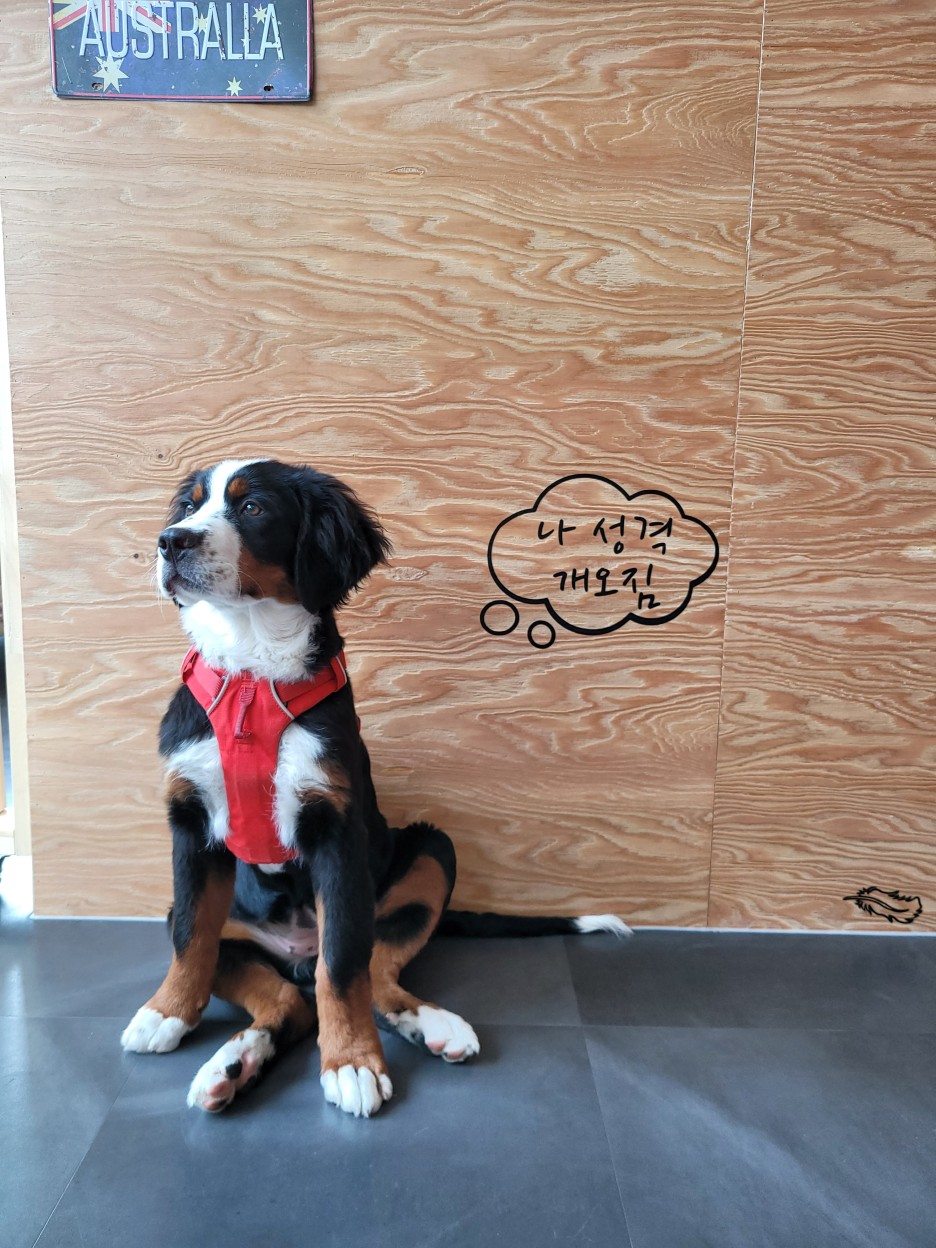
Sit, down and stay are useful ways to communicate, but they are not tests of rank. Start in a quiet place with safe footing and rewards the dog enjoys. If a position appears uncomfortable, stop and consider a veterinary check rather than pushing the body into place.
Sit and down
For sit, capture a naturally offered sit or use a small lure that guides the head without making the dog jump. Mark the moment the bottom reaches the floor and reward. For down, guide gradually from a comfortable position, rewarding progress if the full movement is difficult. Do not press the shoulders or pull the legs.
Once the movement is predictable, add the verbal cue just before it happens. Gradually reduce the visible lure while continuing to reward success.
Stay means waiting for release
- Begin with a comfortable position and a very brief pause.
- Reward before the dog gets up.
- Use a clear release word to end the repetition.
- Add duration, distance or distraction separately, not all at once.
If the dog moves, calmly reset an easier repetition. Avoid repeatedly ordering them back as difficulty increases.
Transfer the skill gradually
Practice in another quiet room before expecting success near visitors or other dogs. Keep sessions short and include breaks. A stay is not a substitute for a gate or lead near a hazard, and a dog in fear or pain may need support rather than another cue.
Useful progress is a dog who understands the cue and release and can succeed comfortably in gradually changing settings.
Related guides
English edition rewritten on October 9, 2026.