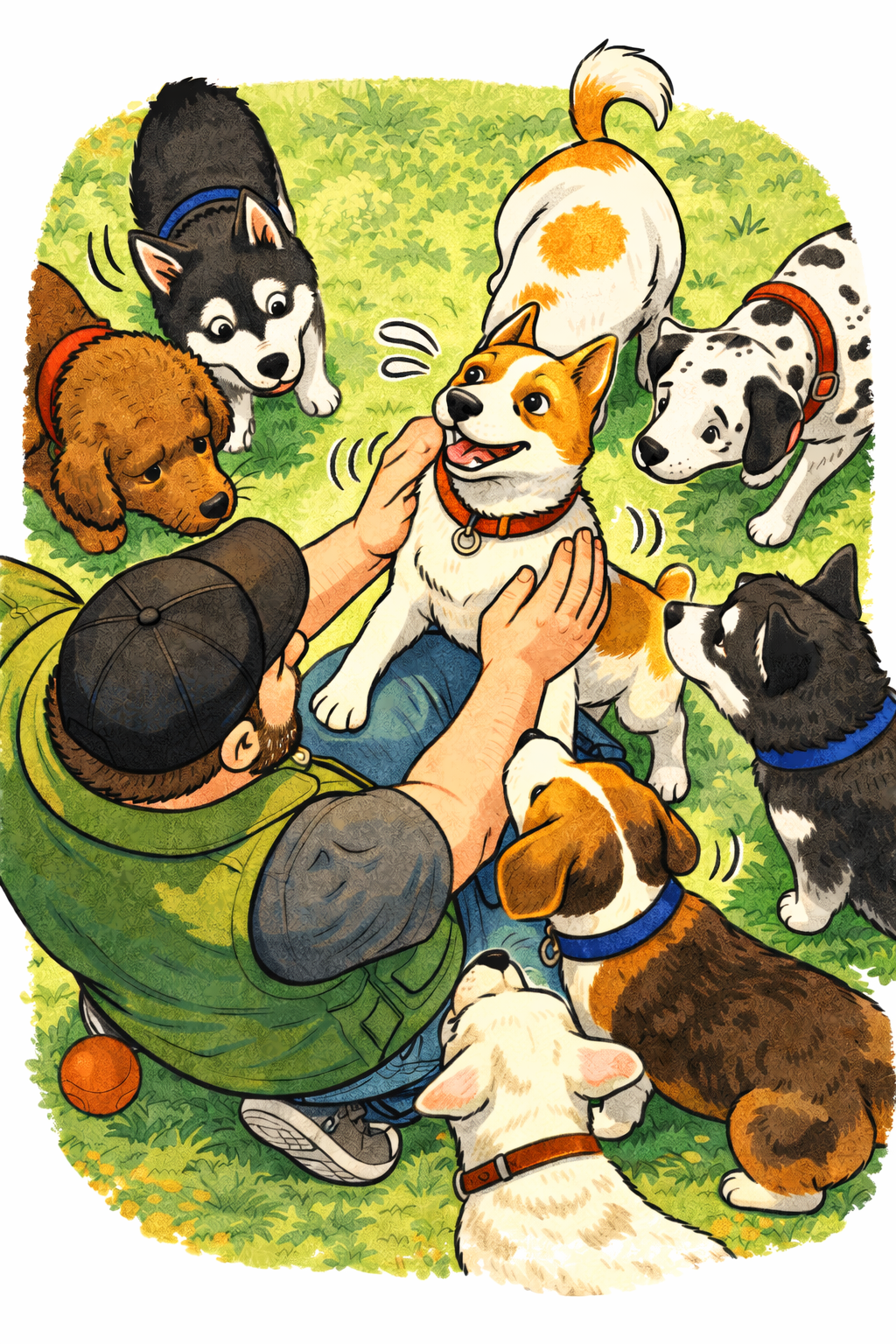
A boarding facility that employs a trainer may offer useful support, but the job title alone does not guarantee safety or suit every dog. Ask how the facility handles ordinary meals, rest, fearful behavior and unexpected illness. Specific answers matter more than promises of an accident-free stay.
Seven questions to ask
- Who supervises dogs during the day and overnight, and what happens when staff leave the room?
- How are dogs assessed before group activities, and can my dog receive individual care instead?
- Where do dogs sleep, and how is undisturbed rest protected?
- Are meals, high-value toys and medication managed separately?
- What training methods are used? Ask directly about leash corrections, shock devices and punishment.
- Which health records are required, and what is the isolation procedure for a sick dog?
- Who authorizes veterinary treatment, how am I contacted, and which clinic receives an emergency?
Share useful information
Provide an accurate history of handling sensitivities, escape attempts, food guarding, separation distress and medication. Concealing a bite history makes care less safe. Explain the dog’s normal feeding, toileting and sleeping routine and agree on written instructions.
When appropriate, arrange a short introductory visit before a long stay. Observe whether the dog can settle afterward; exhaustion or silence alone is not proof of enjoyment.
Choose the right service
Some dogs prefer a quiet sitter or individual boarding to group play. A hotel stay is not a guaranteed behavior-modification program. If training is included, request a clear goal, humane methods and a handover showing how to continue at home. For a dog with serious distress or medical needs, discuss suitable care with your veterinarian before booking.
Related guides
English edition rewritten on October 9, 2026.