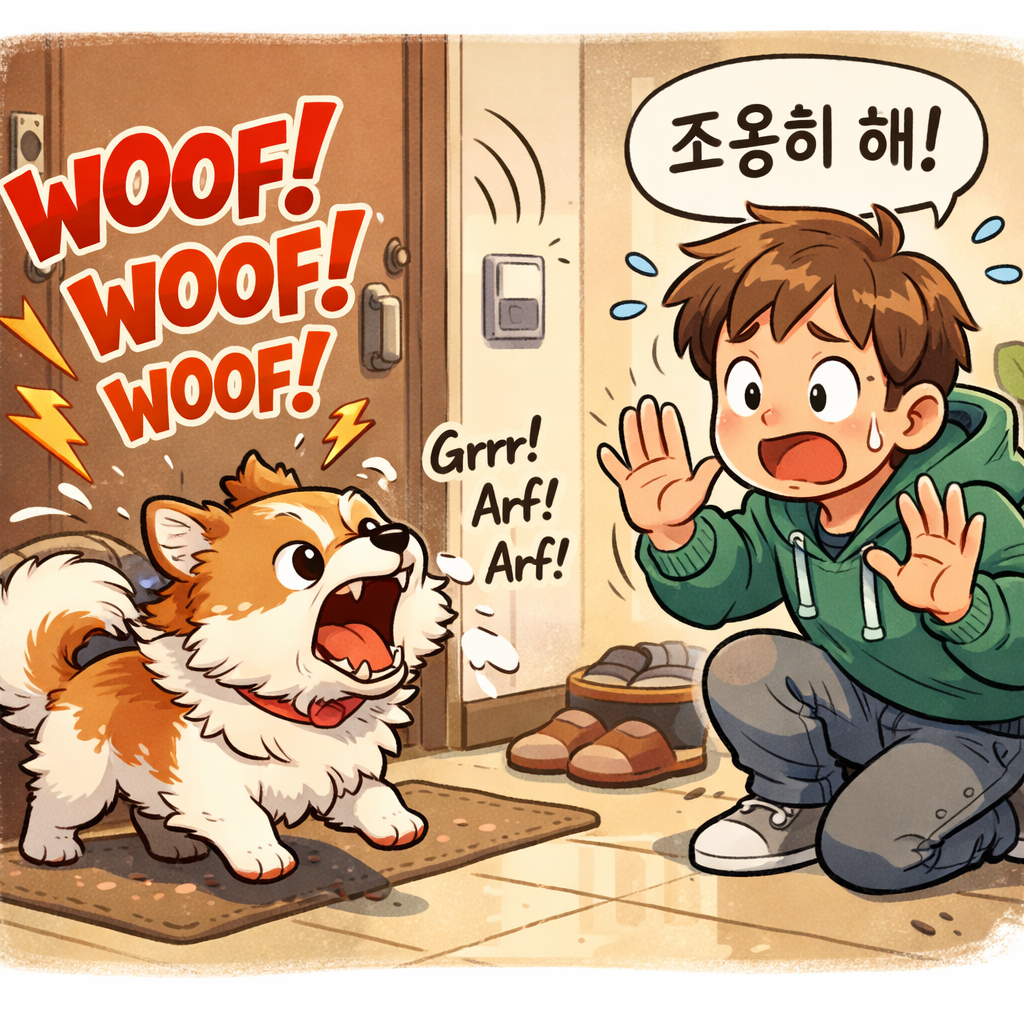
Barking is normal communication, but frequent or intense barking can make daily life difficult. There is no single exercise that fits every cause. Begin by recording the trigger, the dog’s posture and what happens after the barking.
Match the response
- Outside sounds or movement: reduce exposure, move resting areas and teach a comfortable retreat.
- Requests for play or attention: meet genuine needs, then reward an easier way to ask before the dog escalates.
- Frustration near dogs or people: add distance and practice disengagement in an easier setting.
- Distress when alone: use video and seek an individual separation plan rather than simply trying to suppress the noise.
New barking associated with pain, confusion, poor sleep or other changes deserves veterinary assessment.
Practice when success is possible
Choose one predictable trigger and a manageable version of it. Reward calm noticing or turning back to you, then allow a break. If the dog cannot recover, the trigger is too intense. Repeatedly saying quiet while the dog is overwhelmed does not explain the alternative.
Measure more than volume
Track how often barking starts, how long it lasts and how quickly the dog returns to normal activity. A dog who becomes silent but freezes or hides may not be improving.
Avoid shock, spray or frightening punishment as shortcuts. They may suppress warning behavior without changing discomfort. For threats, bites or severe distress, management and qualified professional help should come before home experiments. A realistic goal is appropriate communication and easier recovery, not a dog who never makes a sound.
Related guides
English edition rewritten on October 9, 2026.