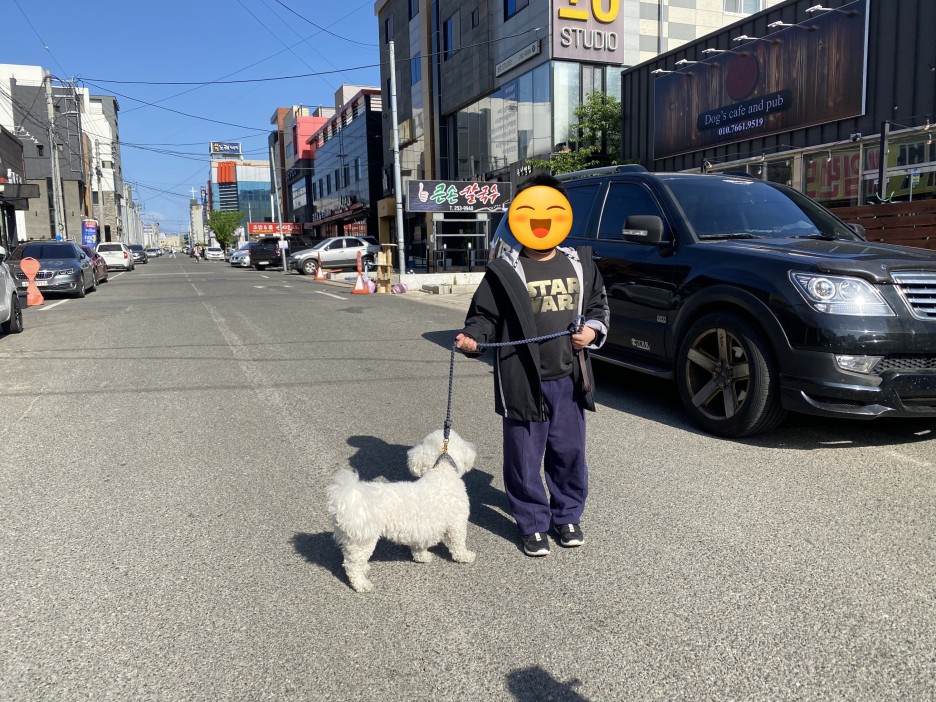
A good city walk balances the dog’s needs with the safety and comfort of other people and animals. The goal is not continuous heelwork. It is predictable handling, appropriate space and a route your dog can manage.
Before leaving
Check equipment fit and condition, identification and the weather. Carry waste bags and water when needed. Follow local lead and access rules rather than assuming that a long line is permitted everywhere. Choose a quieter route if your dog is already tired or overwhelmed.
On shared paths
- Keep the dog from entering another person’s space without permission.
- Shorten the usable lead safely near traffic, entrances and blind corners.
- Do not allow a retractable line to cross a path or wrap around people.
- Ask before dog-to-dog greetings and accept a refusal.
- Move aside early when a narrow passage would force close contact.
Let your dog sniff suitable areas and take breaks. Guide away from private belongings and shop entrances before marking or scavenging begins.
Handle surprises calmly
Practice a turn-away cue in easy settings so you can leave a difficult encounter. If the dog becomes tense, add distance rather than forcing a sit beside the trigger. Do not use other pedestrians or dogs as unwilling training partners.
Finish responsibly
Clean up after toileting, check paws and equipment, and offer appropriate rest. Note locations that were difficult and adjust the next route. If pulling or reactions make control unsafe, seek qualified hands-on help. Good manners are supported by a realistic environment and humane teaching, not by expecting a dog to ignore every part of the city.
Related guides
English edition rewritten on October 9, 2026.