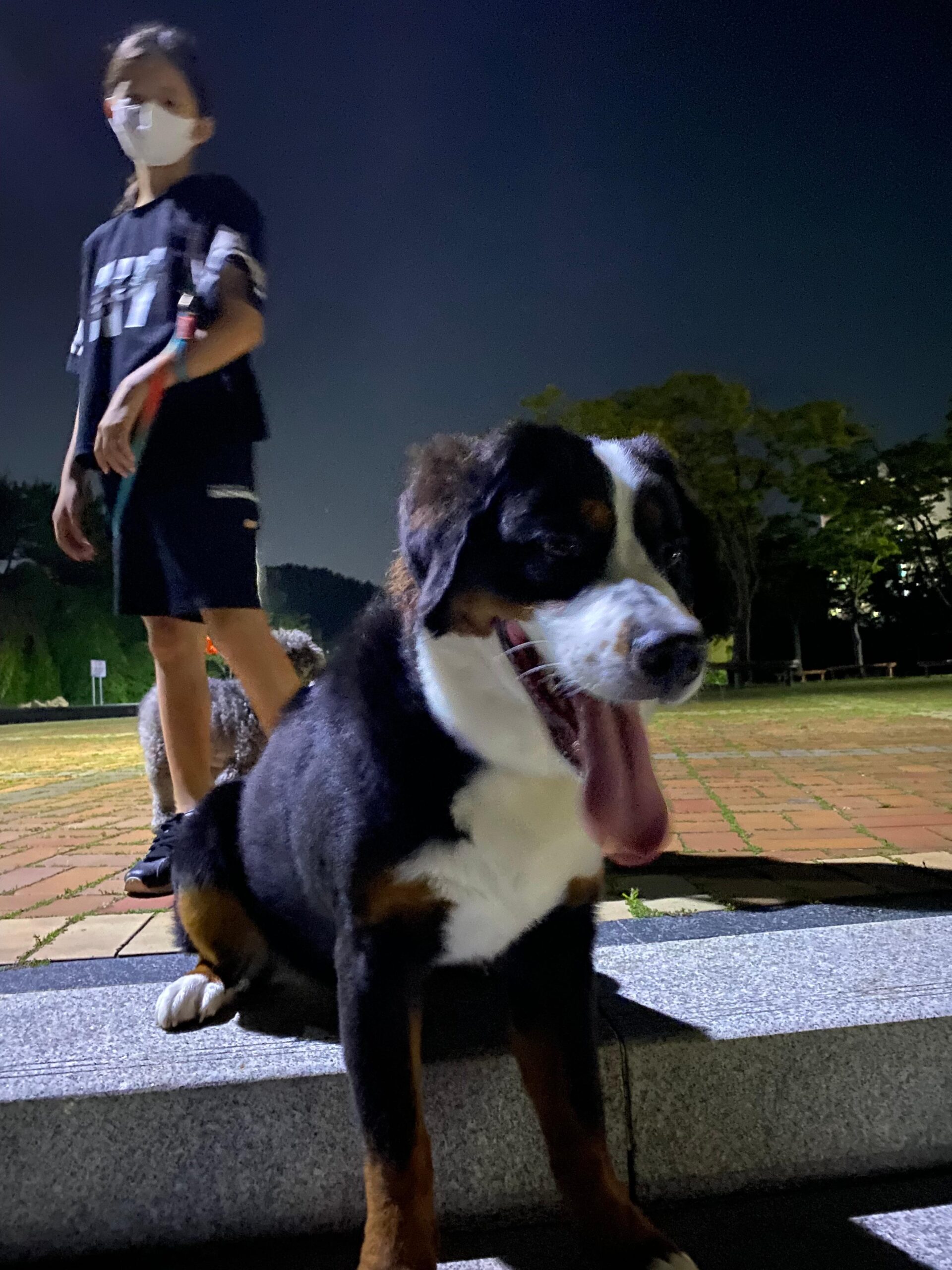
Dogs often pull because moving forward reaches something interesting. A loose-lead walk becomes easier when the dog learns how to reach those rewards without constant tension. Equipment can improve comfort and handling, but it does not teach the skill by itself.
Begin where the dog can succeed
Use secure, well-fitted equipment and a quiet space. Reward standing near you, then one or two steps with slack in the lead. Deliver the reward where you want the dog to be, not so far ahead that it starts another pull.
Allow regular sniffing breaks. A dog expected to ignore every smell may become increasingly frustrated, and a whole outing does not need to be formal heelwork.
When tension starts
- Pause when safe rather than continuing to the target under heavy pulling.
- Invite the dog back with a familiar cue or a gentle change of direction.
- Reward the return of slack.
- Resume movement before the exercise becomes a prolonged stand-off.
If the dog repeatedly hits the end of the lead, make the route easier or shorten the practice. Do not use jerks or choking to force a position.
Separate pulling from fear or reactivity
A dog trying to escape a frightening event needs distance and safety, not a rule that forward movement is forbidden. Barking and lunging at other dogs also requires its own assessment.
Use a week to establish a consistent routine and review progress, not as a guaranteed cure. Track how many comfortable loose-lead steps you achieve and which locations remain difficult. Seek hands-on help if the dog’s strength or reactions put either of you at risk.
Related guides
English edition rewritten on October 9, 2026.