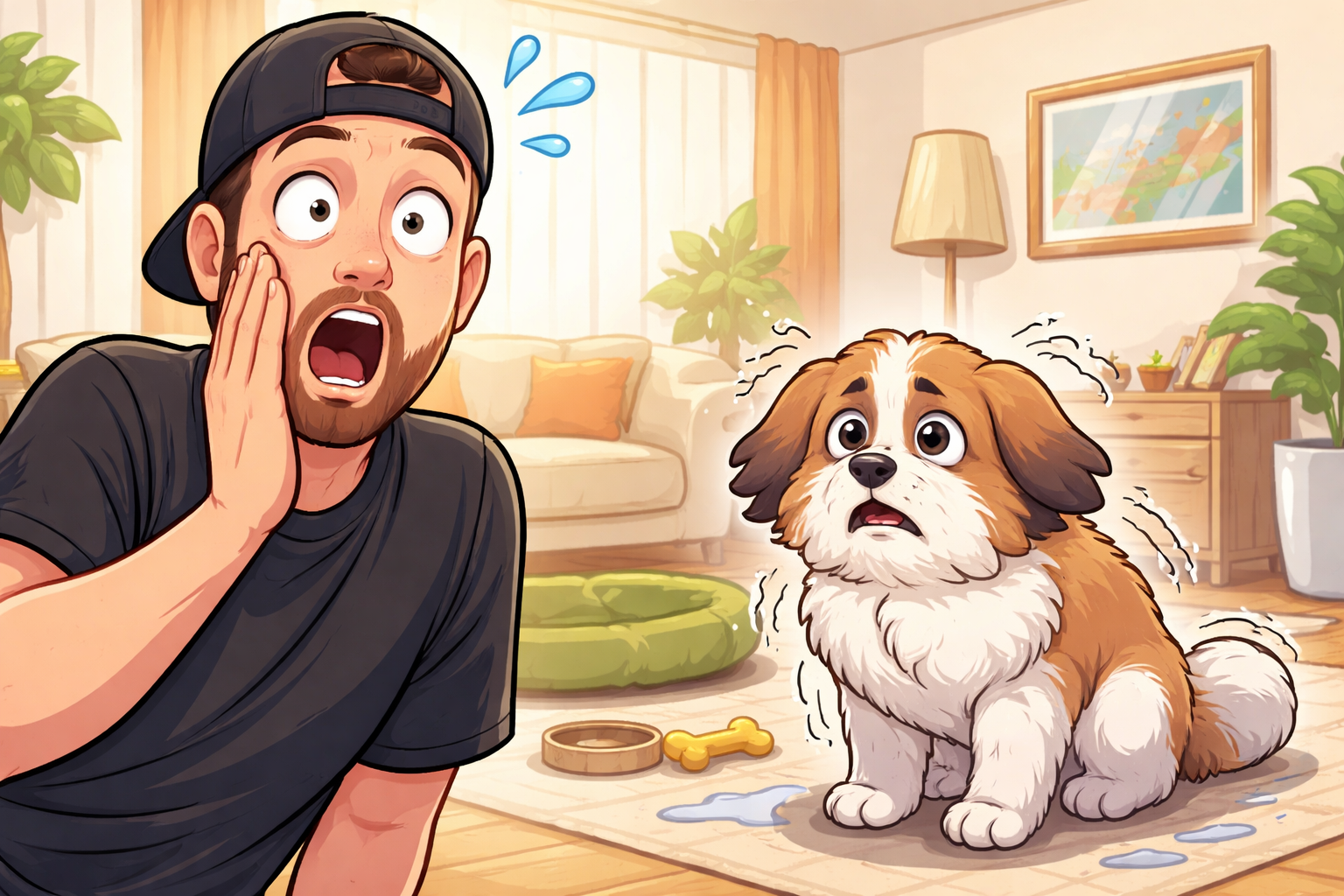
When a dog reacts, the person holding the lead may tense up too. Dogs can notice changes in movement, voice and handling, but that does not mean your emotions caused the whole problem. Health, learning history, the environment and the dog’s own sensitivity also matter.
Change the situation before judging yourself
If another dog approaches on a narrow path, creating space is more useful than trying to appear perfectly confident. Cross safely, turn away early or use a parked car as a visual barrier. You can make a good decision while feeling worried.
Avoid holding the lead in constant tight tension when safe slack is possible, but do not loosen control near traffic or let a powerful dog pull you into danger.
Prepare a simple response
- Notice the trigger early and identify an exit.
- Use a familiar turn-away cue practiced in a quiet place.
- Move to a distance where your dog can recover.
- Reward a comfortable check-in or calm exploration without demanding prolonged obedience.
Practice the route and equipment setup before tackling a difficult encounter. Short, achievable sessions are easier for both ends of the lead than repeated exposure to an overwhelming situation.
Get support when needed
Ask a qualified reward-based professional to demonstrate safe handling and help choose realistic distances. Seek veterinary advice for sudden or severe fear, pain or panic. Your dog does not need an emotionless owner; they need predictable support and situations they can manage. If an outing goes badly, record the trigger and adjust the next plan rather than interpreting it as a failure of confidence.
Related guides
English edition rewritten on October 9, 2026.