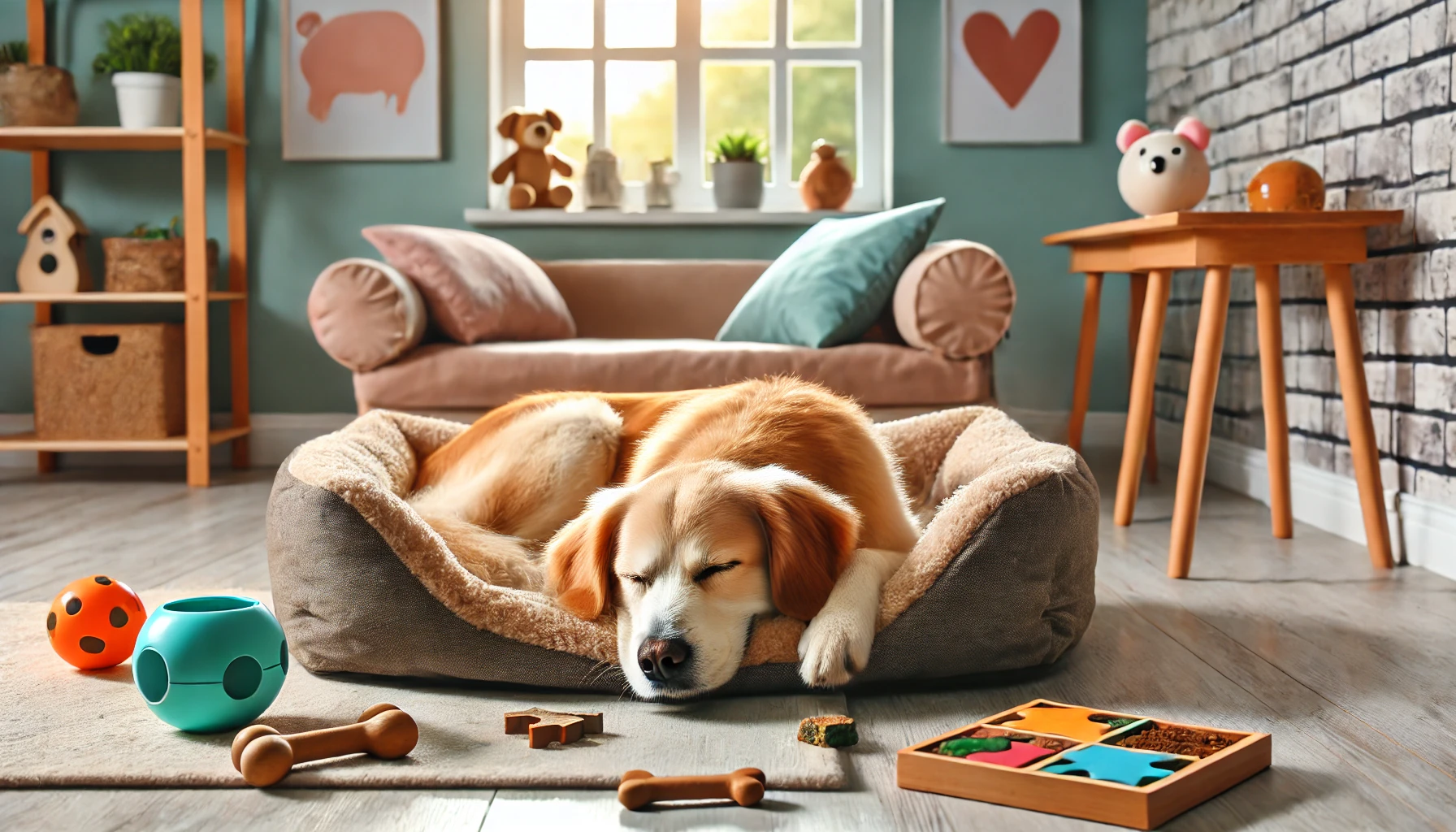
Some dogs become distressed when alone or when a particular person leaves. Barking, pacing, drooling, destruction or escape attempts can occur, but each also has other possible explanations. Video and a careful history help distinguish distress from an ordinary reaction to outside noise.
Observe without provoking a crisis
Record a necessary, manageable absence if safe, noting when signs begin and whether the dog settles. Do not deliberately leave a panicking dog for a long period to prove the diagnosis. Seek veterinary advice, especially when the behavior is sudden or accompanied by health changes.
Reduce repeated distress
Arrange temporary support such as a suitable caregiver while developing a plan. A crate is not automatically calming; confinement can worsen escape attempts in some dogs. Choose a safe environment based on the individual, not a universal rule.
Build comfortable separation gradually
- Begin with a duration and distance the dog can handle calmly.
- Keep departures and returns predictable and low pressure.
- Increase in small steps only when observation shows comfort.
- Shorten the next trial if distress appears.
Food activities may help a comfortable dog occupy themselves, but eating briefly does not demonstrate that the problem has resolved. A dog who stops eating when you leave may already be struggling.
Get an individualized plan
Persistent panic, self-injury or escape attempts need professional help. A veterinarian can investigate medical contributors and discuss treatment options, including medication when appropriate. Progress should be measured by relaxed behavior during absences, not by a promised number of days or a reduction in noise alone.
Related guides
English edition rewritten on October 9, 2026.