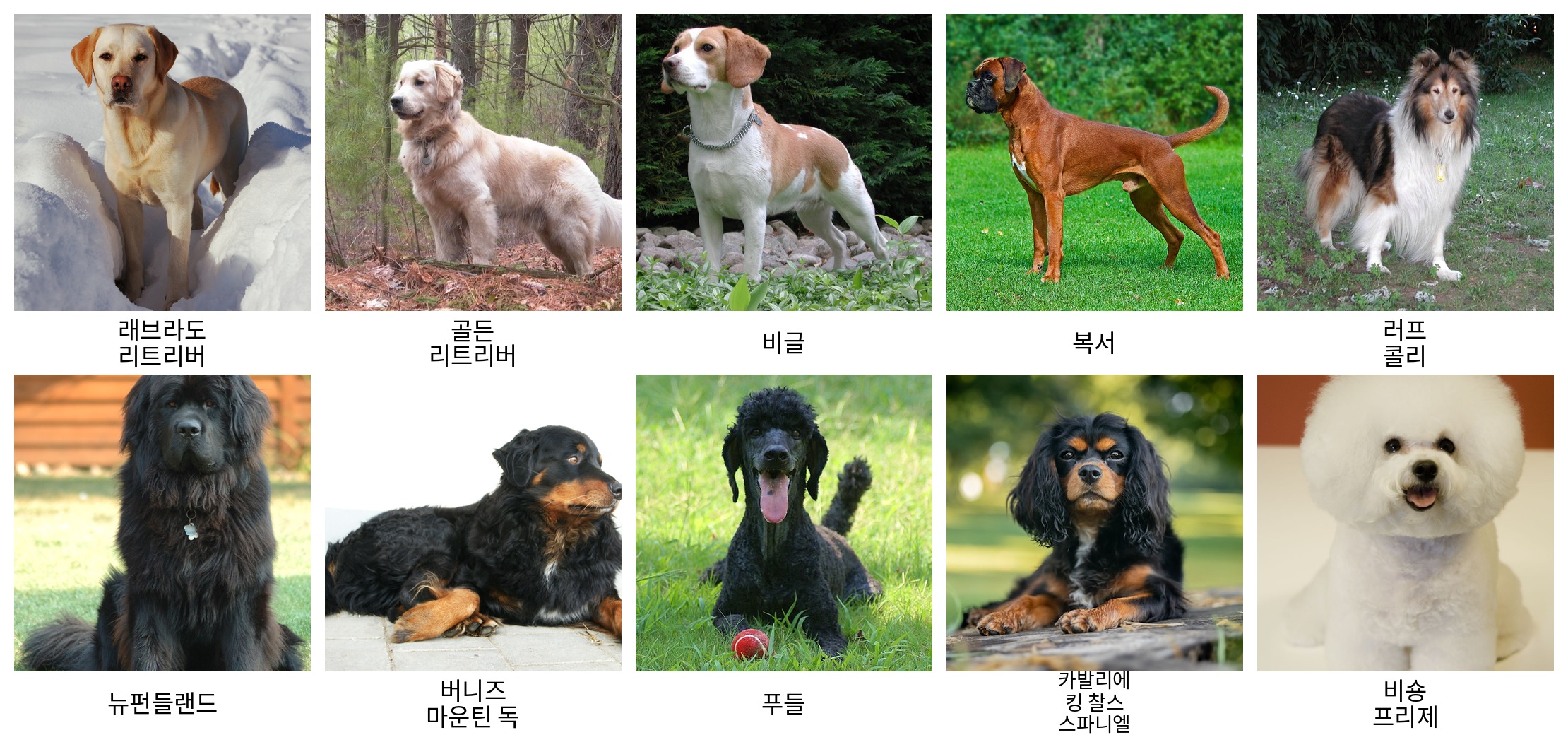
No breed label guarantees that a dog will be safe or comfortable with children. Size, age, health, experience and individual behavior matter, as do the children’s ages and the adults’ ability to supervise. A gentle reputation should never replace an honest assessment.
Ask about the actual dog
Discuss previous contact with children, sensitivity to handling, food or toy guarding, startle responses and how the dog settles. Request specific examples rather than accepting “great with kids.” Meet in a controlled setting with knowledgeable support; do not ask a child to hug or crowd the dog as a test.
Consider size in both directions
A large dog can knock a child down unintentionally. A very small dog can be injured by rough handling and may defend themselves when frightened. Neither size is automatically the safer option. Choose an activity level and care needs that fit the adults’ routine.
Prepare the household
- Create a dog-only resting space behind a suitable barrier.
- Keep children away from food, chews and sleeping dogs.
- Supervise actively; being somewhere in the house is not enough.
- Teach children to invite contact and allow the dog to leave.
- Assign feeding, exercise, training and healthcare responsibility to adults.
Be willing to wait
If the adults cannot provide safe separation, consistent care or time for adjustment, postpone adoption. An adult dog with a well-understood history may fit some families better than a puppy, but still needs careful introductions. Seek professional assessment for any bite history or concerning behavior, and never expect the child and dog to sort out conflict themselves.
Related guides
English edition rewritten on October 9, 2026.