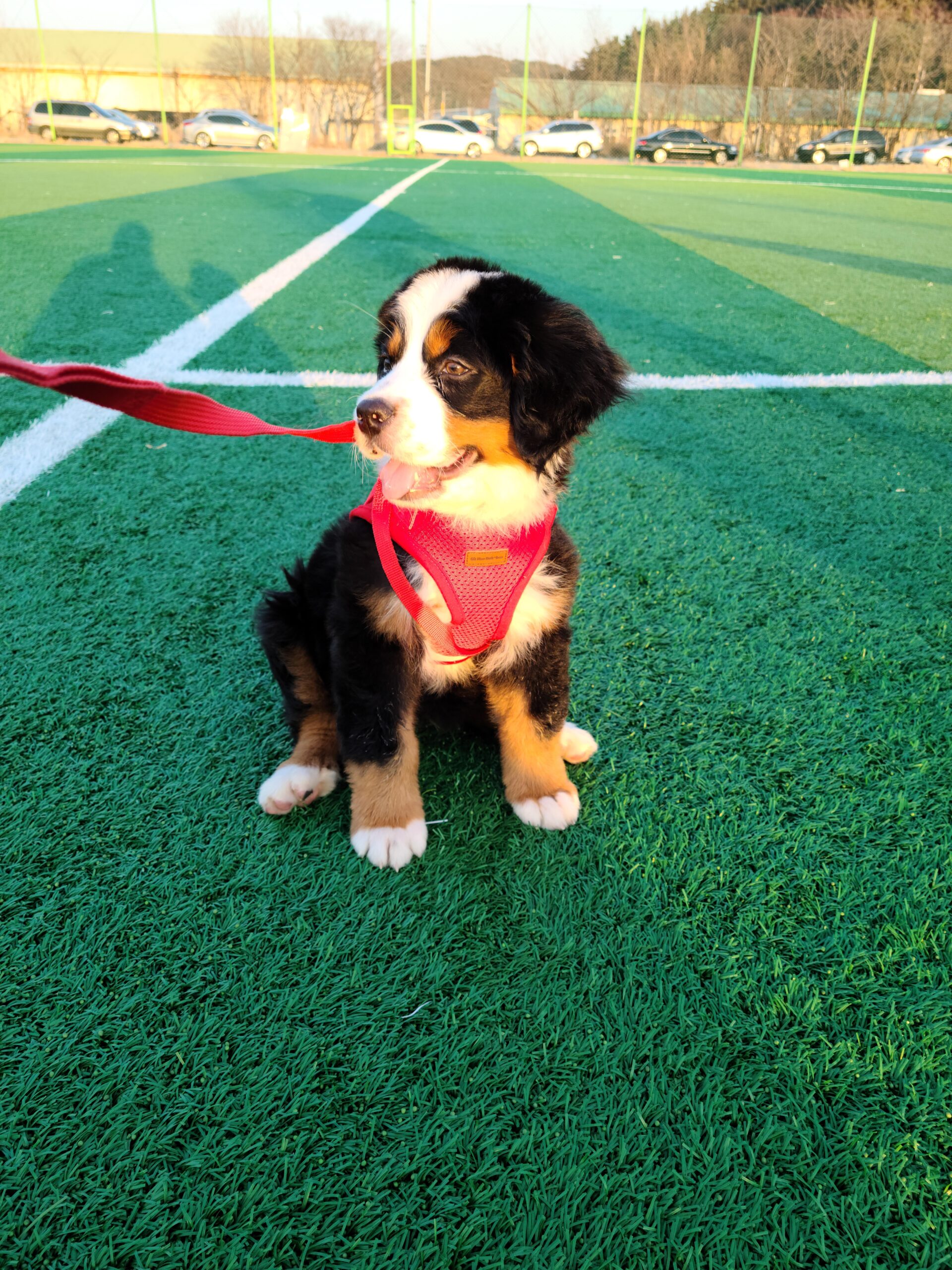
A dog who stops at the doorway or freezes on a route is not necessarily stubborn. Walking may be uncomfortable, frightening or simply too demanding at that moment. Pulling harder can hide the cause and make the next outing harder.
Seven possible contributors
- Pain or illness, especially when reluctance is new.
- Equipment that rubs, restricts movement or feels unfamiliar.
- Heat, cold, rain or an uncomfortable surface.
- A frightening sound, dog, person or previous event on the route.
- Too many demanding experiences without recovery.
- A route or pace that does not allow safe sniffing and exploration.
- An abrupt change in routine or surroundings.
These are possibilities to investigate, not diagnoses. Limping, weakness, breathing difficulty or sudden refusal deserves veterinary attention.
Make the next attempt smaller
Choose a quiet time and a familiar route with an easy return. Reward voluntary movement without luring the dog into a frightening encounter. A session may consist of calmly observing outside the entrance and going home. Distance can increase later if the dog is comfortable.
Check the harness fit and let the dog practice wearing it indoors. If the dog retreats from a trigger, allow space rather than repeatedly returning to the same difficult spot.
Avoid turning the walk into a contest
Do not drag, choke or flood the dog with exposure until they stop resisting. Carrying a small dog out of a genuine hazard can be appropriate if handling is safe, but does not replace investigating persistent refusal. Keep a log of where the hesitation begins and what helps. Qualified support is useful when fear continues or everyday toileting becomes difficult.
Related guides
English edition rewritten on October 9, 2026.