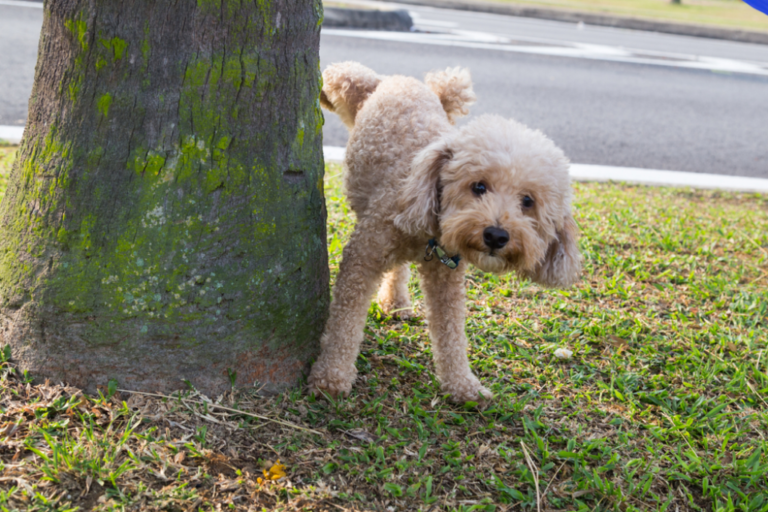
Reducing Indoor Urine Marking Without Punishment
Check health, prevent repeat marking and reward toileting in the right place while identifying the trigger.
Check health, prevent repeat marking and reward toileting in the right place while identifying the trigger.
Understand the context of marking and distinguish ordinary outdoor behavior from changes that need attention.
Prevent conflict through separate resources, compatible routines and early attention to tension.
Consider resources, compatibility and safe introductions before assuming a second dog will solve loneliness or behavior problems.
Use video, manageable absences and professional support rather than testing how long a distressed dog can cry.
Build a useful picture from context and behavior while keeping uncertainty about a dog’s exact thoughts.
Use prevention, clear cues and timely rewards rather than fear or physical confrontation.
Avoid delayed punishment, forced handling and suppressing warning signals; replace them with safer teaching.
Trust grows through predictable care, comfortable handling and clear opportunities to succeed.
Judge household fit and welfare rather than appearance or flawless obedience, while keeping safety standards clear.