Before You Start Dog Training: A Practical Preparation Checklist
Define a small goal, arrange the environment and choose rewards before the first repetition.
Define a small goal, arrange the environment and choose rewards before the first repetition.
Create safety, investigate discomfort and build manageable experiences without forced greetings.
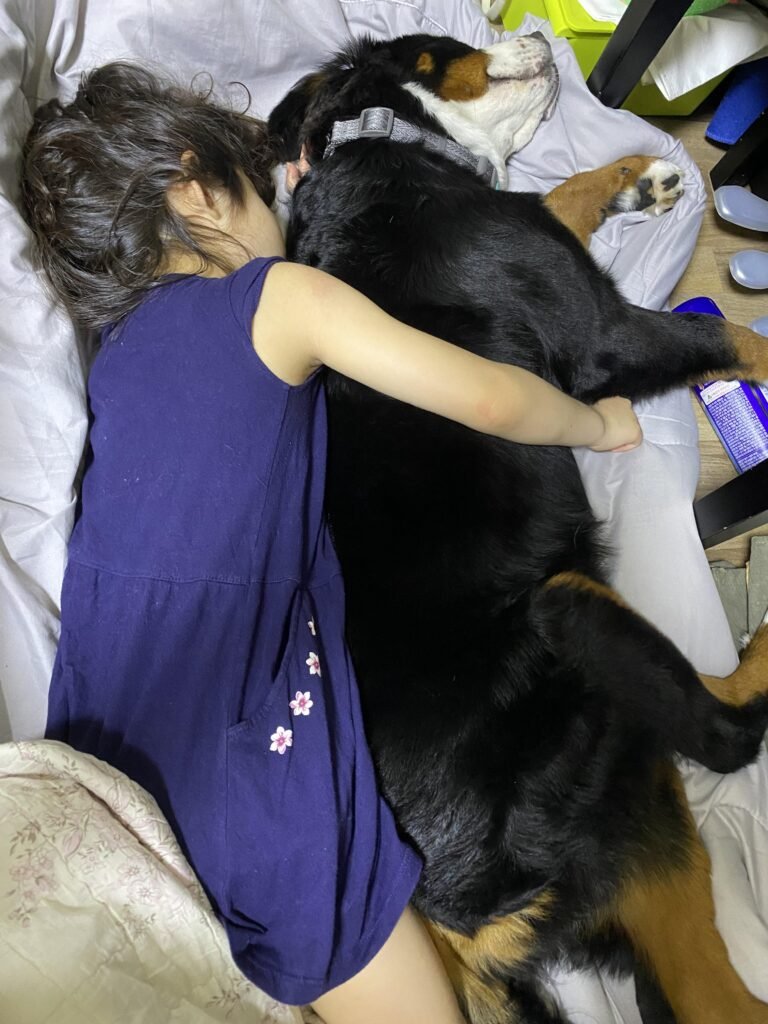
Prepare adult supervision, safe separation and realistic responsibilities before expecting children and dogs to coexist comfortably.
Shared activities can support companionship and learning when adults protect the needs of both children and dogs.
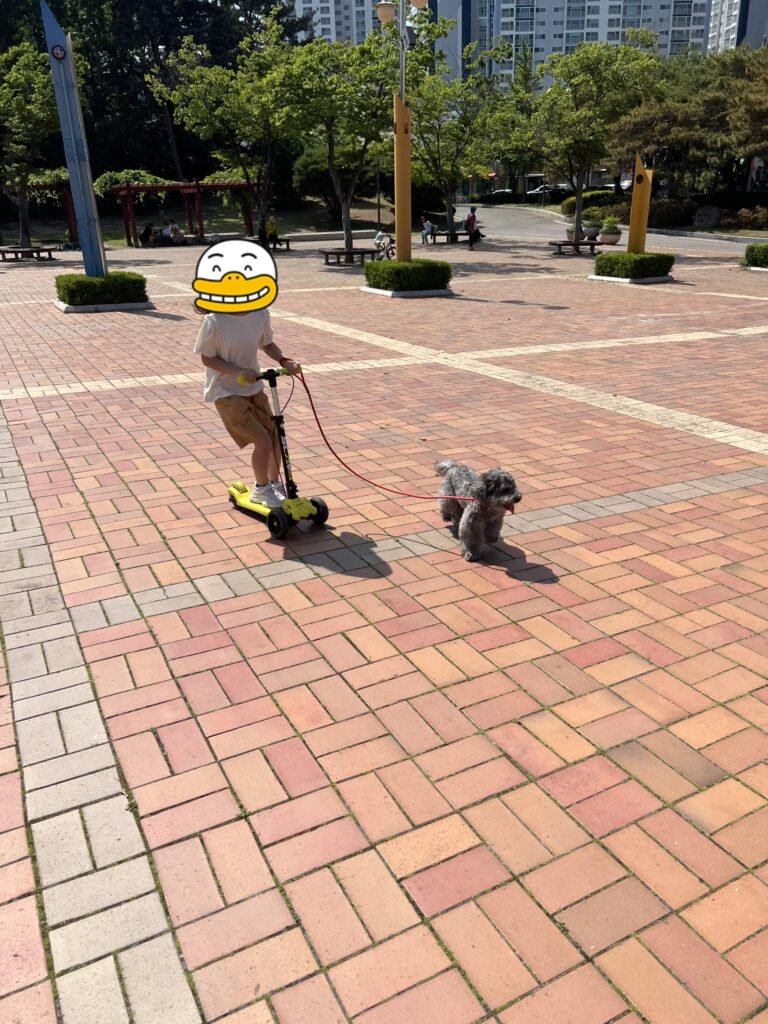
Manage distance and access while teaching disengagement before fast movement triggers a chase.
Use distance and early disengagement to make walks safer before asking for harder training.
Teach voluntary exchanges and protect eating and resting spaces instead of repeatedly taking things away.
Build three foundation skills in easy steps without pushing a dog into position or increasing difficulty too quickly.
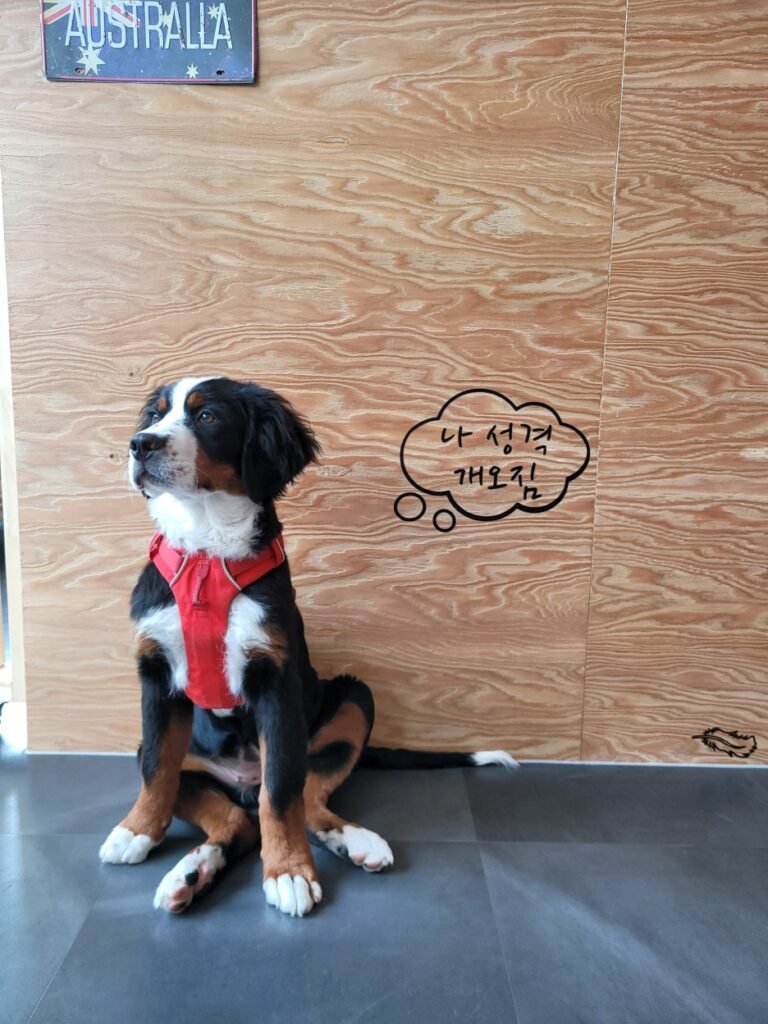
Choose walking equipment for fit, comfort and secure handling. A harness or collar does not replace reward-based loose-lead training.
Prepare safety, sleep, feeding and cleanup first; add optional products after learning your dog’s needs.