City Dog-Walking Manners: A Safety Checklist
Share narrow paths respectfully while giving your dog manageable space, toileting opportunities and safe exploration.
Share narrow paths respectfully while giving your dog manageable space, toileting opportunities and safe exploration.
Plan daily care, finances, compatibility and backup support before choosing a new companion.
Use reward-based skills and secure management rather than assuming native breeds need force or a dominance contest.
Yawning, lip licking and turning away are clues, not a fixed dictionary. Read posture, context and recovery together.
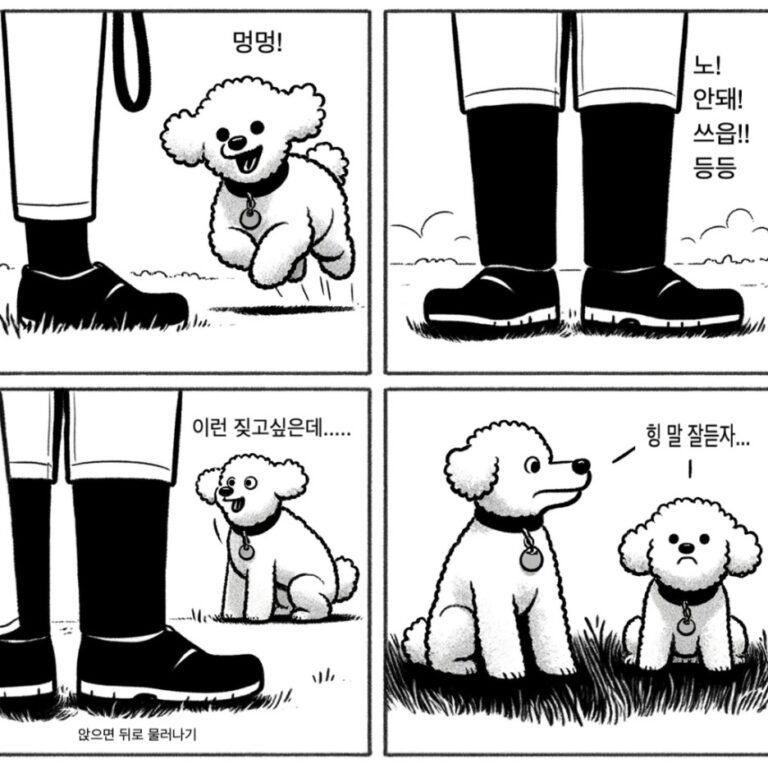
Use safe barriers, calm pauses and rewarded alternatives for jumping and mouthing. Avoid pushing, cornering or using fear to stop behavior.
Notice tension and avoidance early, create space and do not punish warnings or test bite risk.
Fear, pain, guarding and frustration can contribute to aggression. Begin with safety and assessment, not a dominance label.
Start puppy training with clear routines, timely rewards and consistent cues. Learn common mistakes and a simple daily practice plan.
Make toilet training easier with an accessible toilet area, frequent opportunities and prompt rewards. Handle accidents calmly and watch for health changes.
Introduce the harness, lead and outside world in small steps. Reward relaxed exploration and avoid dragging a worried puppy through a long walk.